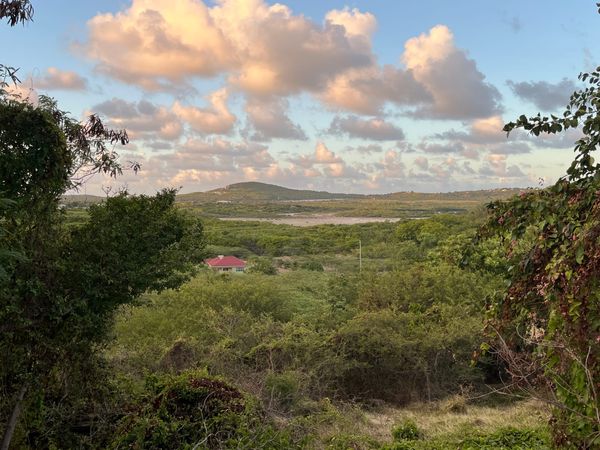
The Boy From Christian Hill
They never had to tell you no. They just build the thing so your foot can’t reach it. The algorithm don’t even do that. It stand in front of you and point, and you walk, and you call it your own two feet.


They never had to tell you no. They just build the thing so your foot can’t reach it. The algorithm don’t even do that. It stand in front of you and point, and you walk, and you call it your own two feet.

The buyers are in Cannes because that is where the other buyers are. The system reproduces itself not because anyone decided to exclude the filmmaker from Burkina Faso but because no one decided, specifically and deliberately, to include her.

The distribution gap is not a romantic problem. Filmmakers who cannot distribute their work cannot fund their next film. Audiences who cannot access stories from their own cultural heritage lose something they may not be able to name but will feel across a lifetime.

A film made in Los Angeles has access to distribution networks, financing structures, and platform relationships that a film made in Dakar, Bridgetown, or Luanda simply does not. This is not because the American film is better. The variable is infrastructure.

A reflection on artists, writers, and filmmakers who created outside the mainstream—and what it cost to have their work seen across borders.
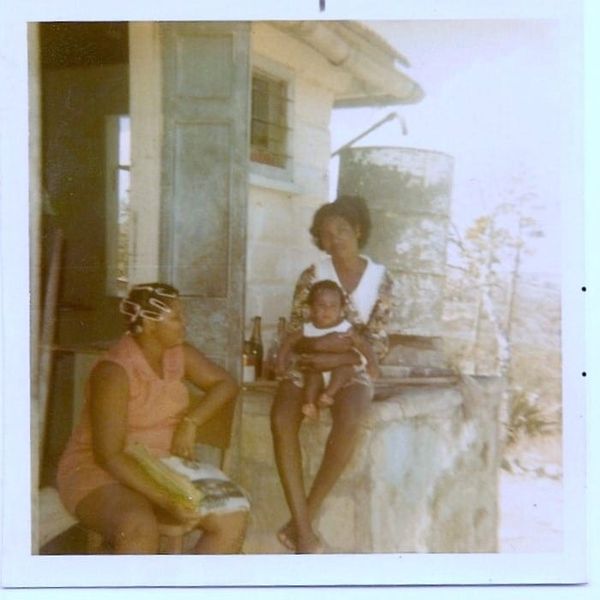
A reflection on how the stories we consume as children shape identity, belonging, and the limits of what we believe is possible.
Joy opens with a ritual. A chicken, blood, a young woman swearing an oath before she crosses the water. I kept asking: is it the belief that traps her, or the circumstances?
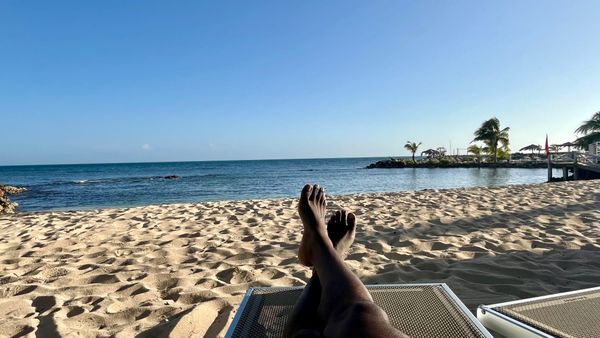
A personal reflection on Caribbean diaspora identity, exploring what it means to carry home across distance, memory, and generations.

When you spend 30 years moving for professional reasons, you develop a kind of useful detachment. You get very good at being open. You get good at choosing a place that's calm, planting yourself deliberately, and deciding this is the new home where you will let things slow down enough to be seen.

A Dutch short film about failing a robot test won this year's Oscar. Twenty-two minutes. And somewhere in it, I found myself thinking about grief and what we're really asking when we demand that someone never die.

Twenty-nine minutes. No famous names. No marketing budget worth mentioning. And yet The Letter Reader does something most feature films spend two hours trying and failing to do. It makes you feel the weight of a single piece of paper.

I know filmmakers personally. I've watched their work. And I still cannot reliably find their films or share them with people who need to see them.